
Cultivating Resilience in Times of Hardship
By Dr. Frederick Ametepe, Founder & Executive Director
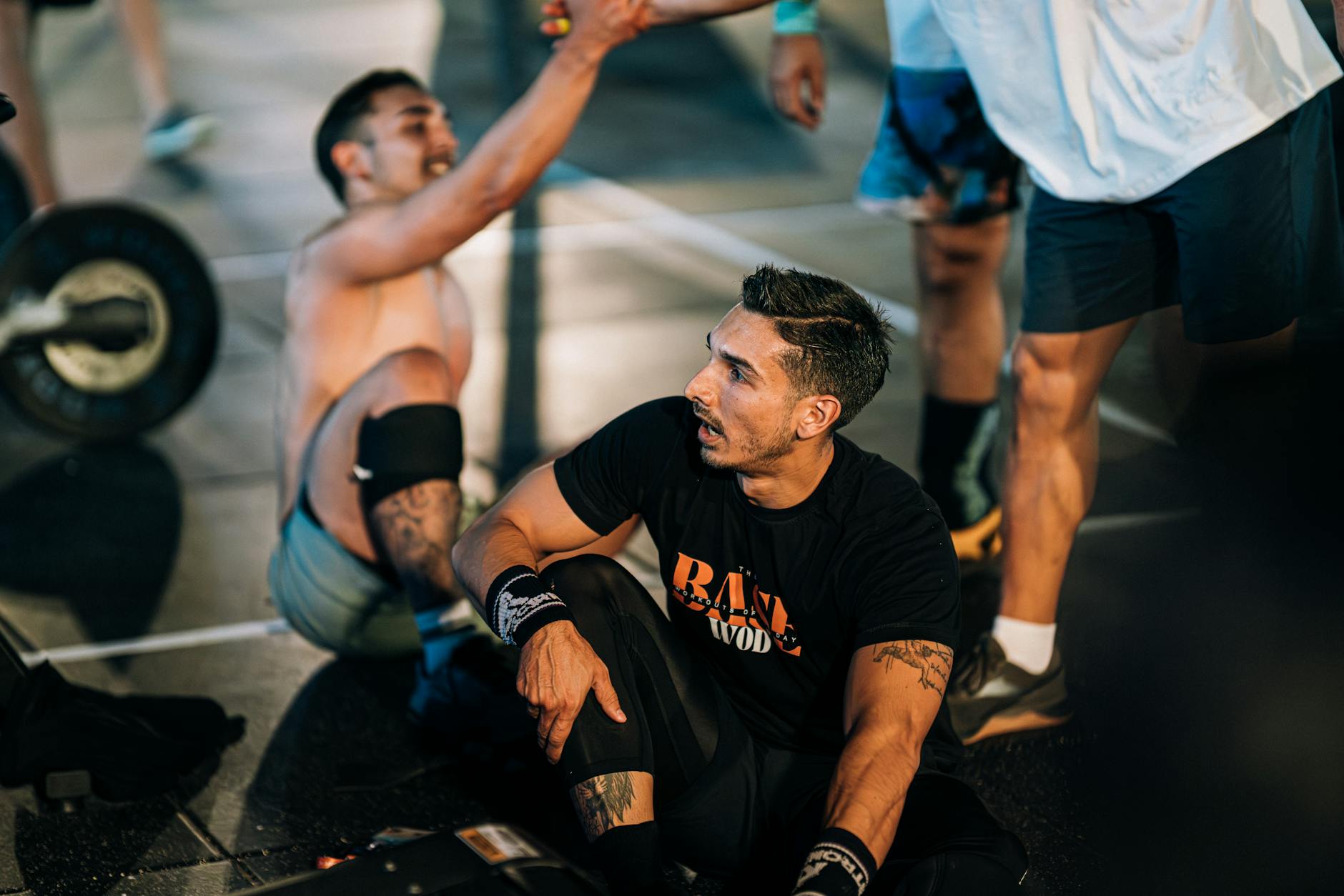
Resilience isn't built in comfort — it's forged through challenge, community, and the courage to keep going. This is one of the most important lessons we've learned at Compassionate Nest, from the young people, students, and families we've had the privilege of walking alongside in their hardest moments.
Redefining Resilience
The word "resilience" is often misused in discussions about vulnerable communities. Too often, it implies that people should simply absorb hardship without complaint — that the measure of their character is how little support they need. This framing is harmful, and we reject it.
True resilience is not stoicism. It is the capacity to recover, to seek help, and to rebuild — with the support of community, access to resources, and the safety to be vulnerable. Research from the field of positive psychology, including the landmark work of Ann Masten on "ordinary magic," consistently shows that resilience is relational. It is not an internal trait people either have or lack — it is built through supportive relationships and enabling environments.
What This Means for Our Work
At Compassionate Nest, cultivating resilience means creating the conditions under which people can recover. It means providing stable shelter so that individuals are not spending all their cognitive and emotional energy on basic survival. It means offering crisis counseling that validates experience rather than dismissing it. It means building communities where people feel known, valued, and safe enough to take the risks that recovery requires.
Our emergency safe housing program is designed explicitly around this understanding. We don't just provide a bed — we provide structure, mentorship, case management, and community. Because shelter alone, without the relational context that makes recovery possible, is not enough.
Stories of Resilience
We could fill volumes with stories of resilience from the communities we serve. The student who lost her housing in her second year of university, stayed at our safe house for six weeks, completed her degree, and now mentors other students facing similar challenges. The internationally trained physician who navigated a complex licensing process, with support from our mentorship program, and is now practicing family medicine in an underserved community in rural British Columbia.
These stories share a common thread: none of these individuals succeeded alone. Each one was supported by a network of care — formal and informal, professional and personal. Resilience, in every case, was a community achievement.
Building a More Resilient Society
The work of cultivating resilience at the individual level contributes, cumulatively, to a more resilient society. When people recover from crisis with their dignity intact and their potential realized, they contribute to their communities in ways that create further resilience for others.
This is the virtuous cycle we are working to build. One person, one relationship, one act of sustained support at a time.
While you're here
Support Our Work
Your generosity funds the programs and people behind stories like this.